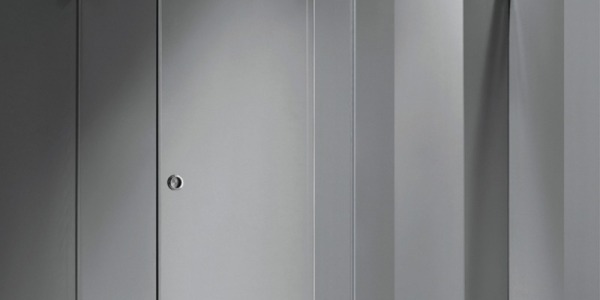
Frameless Shower Door with Header: When Should a Header Kit Be Used?
Introduction
A frameless shower door can keep the bathroom space open and clean, but not every layout can rely only on hinges, clamps, and seals. Wider openings, multi-panel glass structures, or panels that do not reach the ceiling may need additional top connection and alignment support. For glass companies, shower room factories, contractors, and wholesalers, Loire Hardware helps evaluate whether a frameless shower door with header is more suitable for the project structure, glass size, sealing requirement, and complete shower door hardware system.
Quick Answer
A frameless shower door with header is usually used when the enclosure needs extra top support, better panel alignment, or improved compatibility with waterproof sealing components. It is suitable for wide shower openings, multi-panel layouts, glass panels that do not reach the ceiling, and repeated project installations. A header kit works with hinges, glass clamps, U channels, thresholds, support bars, and sealing strips as part of the overall frameless shower door hardware kit.
What Is a Shower Door Header Kit?
A shower door header kit is a top-positioned hardware component used in certain frameless or semi-frameless shower enclosures. It usually works as a profile-based connection system that helps align and support the upper area of the glass structure. In project use, it should not be treated as only an accessory or decorative trim.
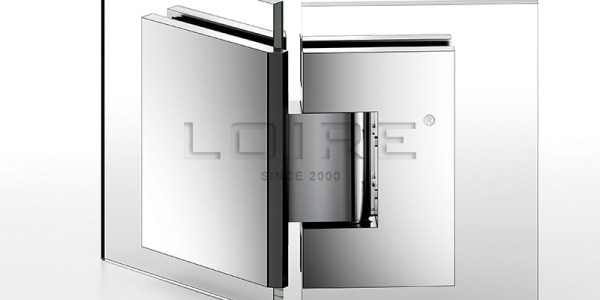
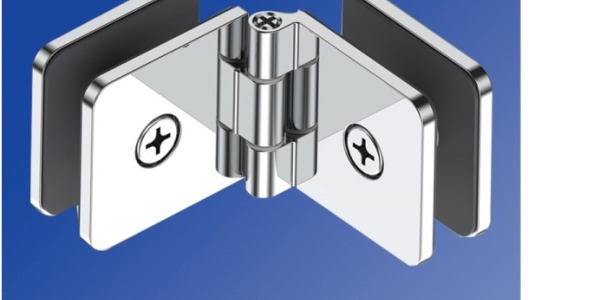
A header kit may work with an aluminium profile, waterproof seals, U channels, thresholds, glass clamps, hinges, and related hardware. In a frameless enclosure, each component has a specific function. Hinges support the moving door panel. Glass clamps secure fixed glass panels. Sealing strips control gaps and water flow. U channels and thresholds help with positioning and water management. The header kit adds top-level support and profile coordination.
Loire Hardware’s Header Kits range includes shower door header kits and related accessories for glass shower enclosure applications. This type of product is usually selected together with other shower hardware rather than as a standalone item.
When Does a Frameless Shower Door Need a Header?
A frameless shower door with header is not required for every bathroom project. The decision depends on enclosure layout, glass size, support conditions, and project requirements. If the glass panels are smaller, the surrounding walls provide enough support, and the door structure is simple, a header may not be necessary.
A header kit becomes more useful when the enclosure has a wide opening, several glass panels, or glass that does not reach the ceiling. In these layouts, the upper connection can help keep the structure more consistent. It may also help when the project requires better panel alignment or a waterproof profile system.
For hotel bathrooms, apartment projects, and shower room factory production, repeated installation quality matters. A header system can support a standardized layout across multiple units, especially when the same shower enclosure design is used in bulk project orders.
Frameless Shower Door with Header vs No Header
A frameless shower door without a header creates a cleaner visual effect because there is no visible top profile. This approach is suitable for smaller enclosures, simple hinged doors, and layouts where walls and glass clamps provide enough support.
A frameless shower door with header adds a visible top profile. It may reduce the fully open appearance, but it can provide better structure for selected layouts. In B2B project decisions, this is a trade-off between minimal appearance and system support.
|
Factor |
With Header |
Without Header |
|
Structural support |
Better top connection and profile support |
Relies more on hinges, clamps, and walls |
|
Visual effect |
Visible upper profile |
Cleaner frameless look |
|
Suitable layout |
Wide openings and multi-panel structures |
Smaller and simpler layouts |
|
Hardware system |
Works with U channels, thresholds, seals, hinges, and clamps |
Uses fewer visible components |
|
Buyer decision |
Based on stability, sealing, and project consistency |
Based on appearance, glass size, and support conditions |
Header Kit, U Channel, and Threshold: How Do They Work Together?
A header kit is often discussed as a single product, but it usually works with other shower hardware. The relationship between header kit, U channel, threshold, and sealing strips is important for both structure and water control.
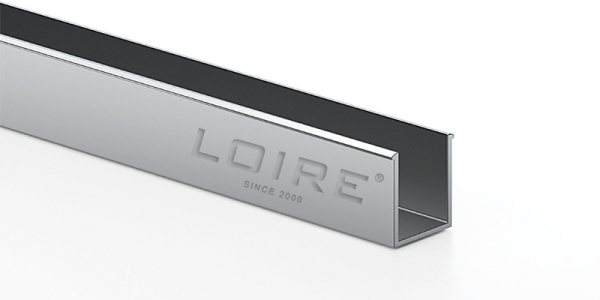
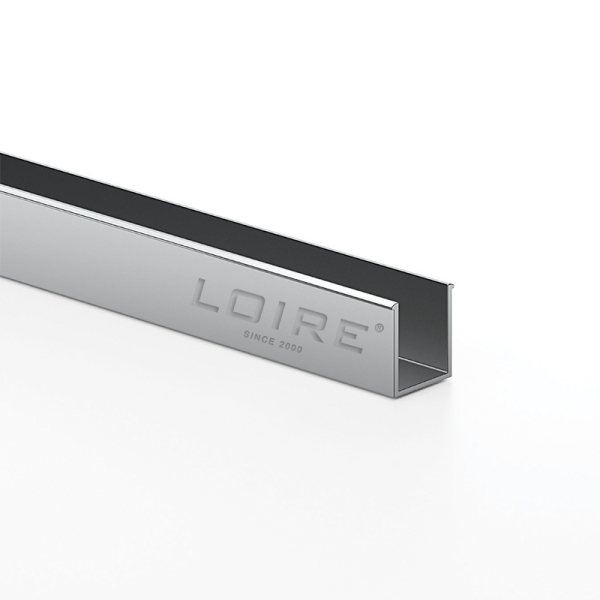
The header kit sits at the top and helps connect or stabilize the upper section of the enclosure. A U channel helps position and secure glass edges, often at the wall or base area. A threshold is typically used near the bottom of the shower opening to help manage water direction and create a cleaner transition. Sealing strips help close gaps between glass panels, doors, and profiles.
When these parts are selected separately without checking compatibility, the project may face alignment problems or inconsistent installation results. For B2B orders, buyers should review the whole hardware set. A header kit with the wrong profile size, finish, or sealing design may not match the rest of the enclosure hardware.
Some shower door header kits combine aluminium profiles with waterproof sealing functions. This type of product should be evaluated together with glass thickness, profile length, angle, finish, and compatible hardware.
Header Kit vs Support Bar: What Is the Difference?
A header kit and a support bar both help with shower enclosure stability, but they solve different structural problems.
A header kit is usually installed at the top of the enclosure. It provides a more continuous profile-based connection and is often selected for wider or multi-panel layouts.
A support bar provides local reinforcement. It may connect wall-to-glass, glass-to-glass, or ceiling-to-glass depending on the layout. It is often used when a fixed glass panel needs extra support while keeping the visual structure lighter.
|
Factor |
Header Kit |
Support Bar |
|---|---|---|
|
Main position |
Top of the enclosure |
Wall-to-glass, glass-to-glass, or ceiling-to-glass |
|
Main function |
Top connection and system support |
Local reinforcement |
|
Suitable layout |
Wide openings and multi-panel enclosures |
Fixed panels needing extra stability |
|
Visual effect |
More profile-based |
More minimal |
|
Selection basis |
Overall enclosure structure |
Local support point and panel size |
What Buyers Should Check Before Ordering Shower Door Header Kits
For B2B buyers, ordering shower door header kits is not the same as buying a simple bathroom accessory. The header kit must match the glass system, project layout, and related hardware.
The first check is glass thickness compatibility. If the profile does not match the intended glass thickness, the enclosure may not align properly. Buyers should also confirm whether the header works with the door type and fixed panel arrangement.
The second check is aluminium profile structure. A header kit should provide the required profile shape, length, and connection design. If cutting or adjustment is needed, buyers should confirm how the header length is handled during production or installation.
The third check is waterproof sealing. A header kit may be used with waterproof seals, U channels, thresholds, or sealing strips. These parts must be checked together, especially in hotel bathrooms or apartment projects where water control and repeatable installation are important.
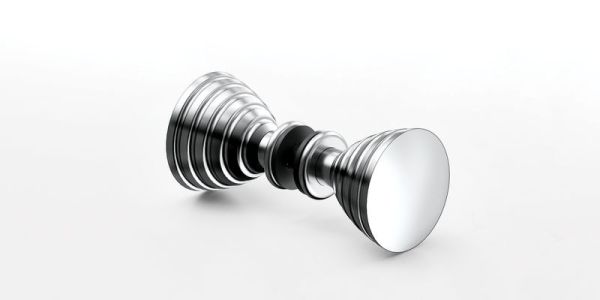
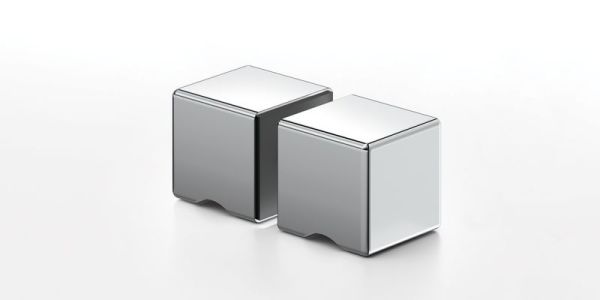
Finish matching also matters. Contractors and distributors often need consistent finishes across hinges, clamps, handles, support bars, and header profiles. Bulk order consistency is another B2B issue. For shower room factories, importers, and wholesalers, the supplier should provide stable specifications across repeated orders. OEM and ODM customization may also be needed for specific lengths, finishes, profiles, packaging, or market requirements.
Common Applications of Frameless Shower Doors with Headers
A frameless shower door with header is often used in projects where the enclosure layout needs additional coordination. Hotel bathroom projects are common because many hotels require repeated bathroom layouts, consistent installation quality, and hardware that supports long-term use.
Apartment and residential development projects may also use header kits when the shower enclosure includes wide openings or glass panels that need better alignment. Shower room factories may use header kits as part of a standardized product package, especially when combined with hinges, clamps, sealing strips, U channels, thresholds, and handles.
Glass installation projects can also benefit from header systems when site conditions vary. If wall support, panel size, or enclosure layout requires extra stability, a header kit can provide a more controlled structure than relying only on separate small components.
How to Choose a Header Kit Supplier for Project Orders
For project orders, buyers should evaluate the supplier’s full shower hardware capability, not only the price of a single header kit. A supplier that provides only one part may not support compatibility across the whole enclosure system.
A practical supplier should be able to provide related hardware such as shower hinges, shower glass clamps, support bars, sealing strips, U channels, thresholds, and handles. This matters when buyers need consistent finishes, matching dimensions, and compatible hardware sets.
For importers and wholesalers, packaging, repeat order stability, and finish consistency are also part of supplier evaluation. For shower room factories, OEM and ODM options may be more important when the header kit must fit a specific enclosure design or market requirement.
Conclusion
A frameless shower door with header is not required for every enclosure. It becomes useful when the project needs top connection, better alignment, profile-based support, waterproof seal coordination, or repeated installation consistency. For smaller layouts with strong wall support, a no-header structure may still be appropriate.
Buyers should evaluate glass thickness, opening width, panel layout, aluminium profile, waterproof seals, finish, U channel, threshold, support bar, and other hardware before ordering shower door header kits. For B2B projects, the better decision is usually made by reviewing the complete shower hardware system rather than choosing the header kit as a separate accessory.
FAQ
Does a frameless shower door need a header?
Not every frameless shower door needs a header. A header is more useful when the enclosure is wide, includes multiple glass panels, has limited side support, or requires better top alignment. Smaller shower doors with strong wall support may only need hinges, clamps, handles, and sealing strips.
What is a shower door header kit used for?
A shower door header kit is used to provide top connection and profile support in selected shower enclosure layouts. It can work with U channels, thresholds, seals, hinges, and glass clamps. In project applications, it helps improve alignment and hardware coordination.
What is the difference between a header kit and a support bar?
A header kit usually provides continuous top support through a profile system. A support bar provides local reinforcement, often for a fixed glass panel. A header kit is more suitable for wide or multi-panel layouts, while a support bar is often selected when only one area needs extra stability.
What is included in a frameless shower door hardware kit?
A frameless shower door hardware kit may include hinges, glass clamps, handles, header kits, U channels, thresholds, sealing strips, support bars, and fixing components. The exact combination depends on the shower enclosure layout, glass thickness, door type, and project requirements.
Is a header kit the same as a U channel?
No. A header kit is mainly used for top connection and profile support, while a U channel is used to position or hold glass edges. In some shower enclosure systems, both parts may be used together with thresholds and sealing strips to improve alignment and water control.
What should buyers check before ordering shower door header kits?
Buyers should check glass thickness, header length, aluminium profile structure, waterproof seal design, angle compatibility, finish matching, packaging, and compatibility with hinges, clamps, U channels, thresholds, and sealing strips. For project orders, OEM and ODM options may also be important.