Glass Door Hardware Buying Guide: How to Choose Between 304 Stainless Steel / Aluminum Alloy / Brass?
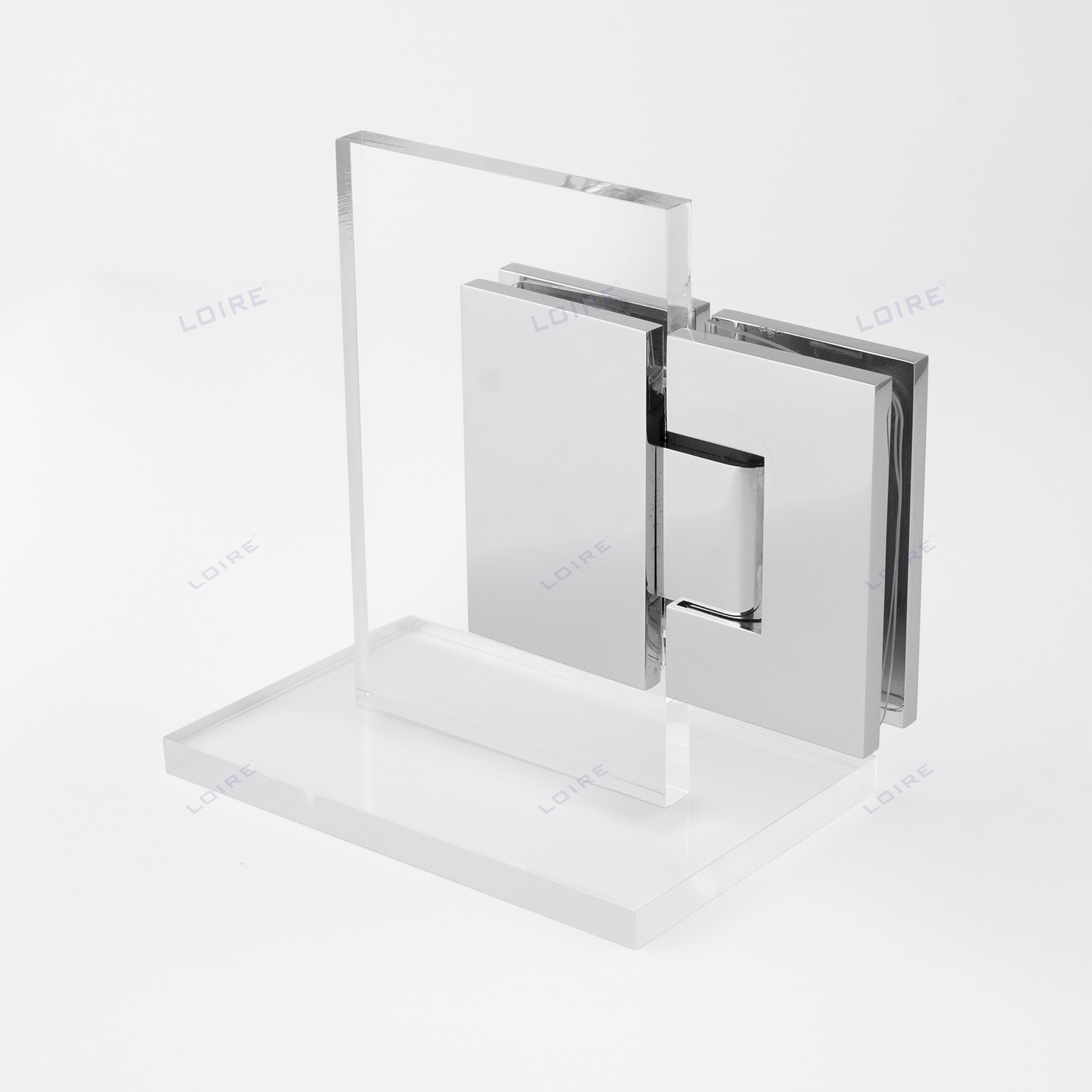
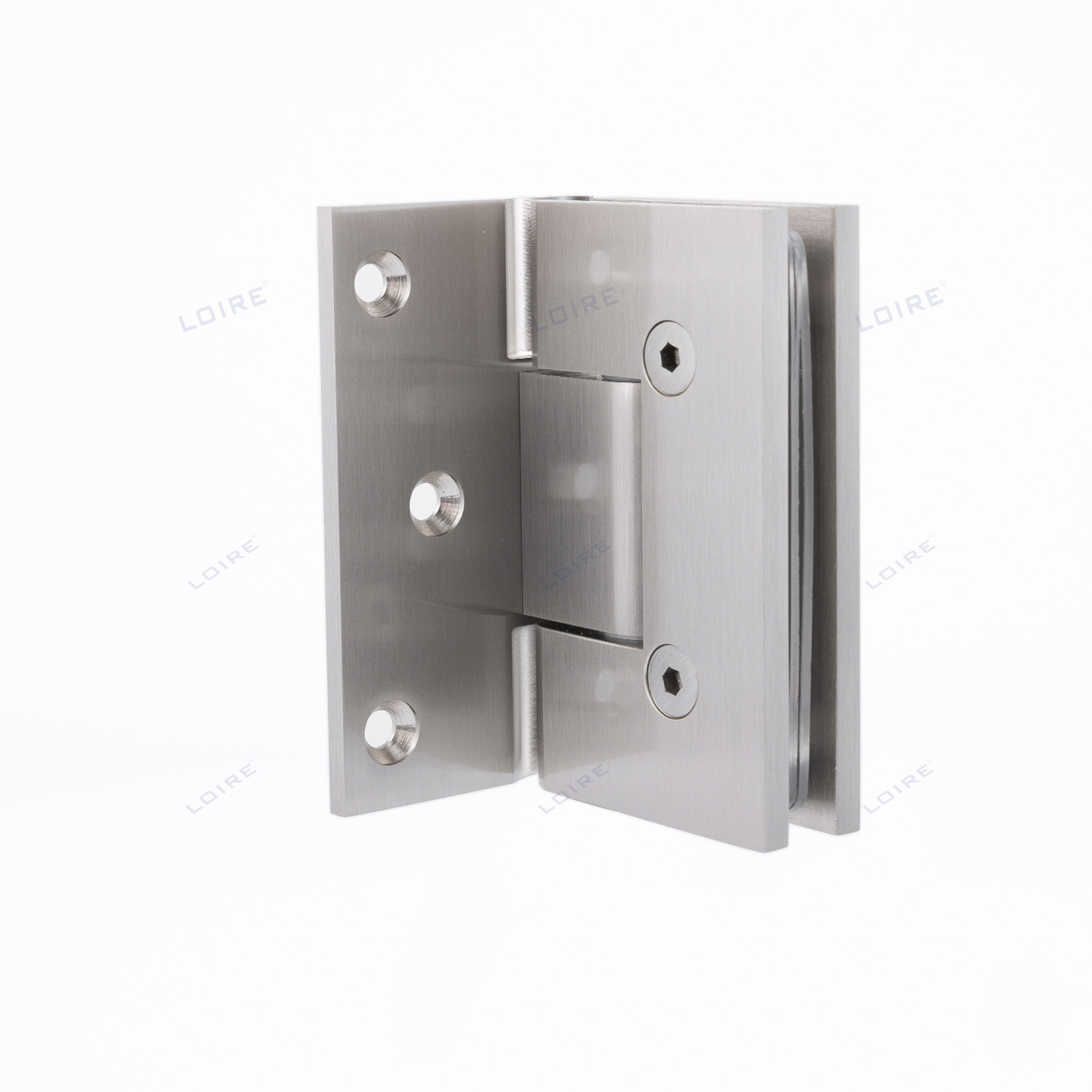
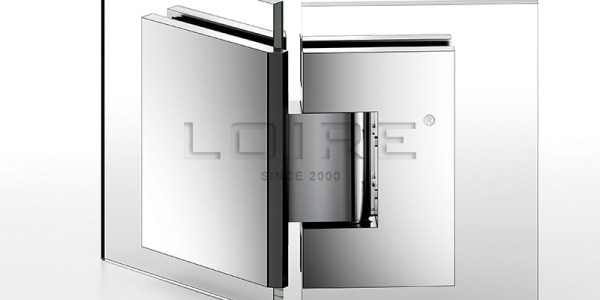
Glass door hardware plays a critical role in the safety, durability, and overall appearance of modern bathrooms and architectural spaces. From shower hinges and clamps to handles and brackets, the material used directly affects load-bearing capacity, corrosion resistance, and long-term performance, especially in humid bathroom environments. As a professional manufacturer specializing in shower & glass door hardware since 2000, Loire Hardware Factory has been deeply engaged in a full range of products including hinges, glass clamps, handles, connectors, etc., and has a deep understanding of the applicable scenarios and advantages and disadvantages of different materials.
This guide is designed to help buyers clearly understand the differences between 304 stainless steel, aluminum alloy, and brass glass door hardware, so you can make an informed decision based on real application needs. As an experienced glass door hardware manufacturer, LOIRE offers professional solutions in all three materials to suit different project requirements.
Aluminum Alloy Glass Door Hardware
For projects that prioritize lightweight design and cost efficiency, aluminum alloy glass door hardware offers a practical alternative.
What Is Aluminum Alloy Hardware?
Aluminum alloy is a lightweight metal widely used in architectural and interior hardware. To improve durability and appearance, aluminum hardware is typically treated with anodizing or powder coating, which also allows for a wide range of color options.
Key Advantages
The most notable advantage of aluminum alloy is its low weight, which makes installation easier and reduces overall project load. It is also a cost-effective solution, especially for residential or budget-conscious projects.
From a design perspective, aluminum alloy delivers a clean, modern aesthetic and works well with contemporary bathroom styles. High-quality surface treatments further enhance its visual appeal and resistance to surface wear.
Limitations
Compared to stainless steel or brass, aluminum alloy has a lower load-bearing capacity, making it less suitable for thick or heavy glass doors. Its long-term performance also depends heavily on surface coating quality—poor finishes may lead to oxidation or surface deterioration in humid environments.
Best Applications
Aluminum alloy hardware is most appropriate for:
- Lightweight glass doors and panels
- Sliding shower systems with reduced load requirements
- Residential projects where cost and ease of installation are key factors
304 Stainless Steel Glass Door Hardware
Among the materials used in glass door hardware, 304 stainless steel is widely regarded as the industry standard for performance and reliability, especially in wet and high-humidity environments such as bathrooms.
What Is 304 Stainless Steel?
304 stainless steel is an austenitic alloy containing chromium and nickel, which form a protective passive layer on the surface. This composition gives the material its excellent resistance to corrosion and oxidation, making it particularly suitable for bathroom and shower applications where constant exposure to moisture is unavoidable.
Key Advantages
One of the most important benefits of 304 stainless steel is its exceptional corrosion resistance, even under frequent water contact and steam exposure. In addition, its high tensile strength and rigidity allow it to safely support thick, heavy glass panels without deformation or sagging over time.
These characteristics make 304 stainless steel shower hardware ideal for frameless glass shower enclosures, combining strength, safety, and long-term durability. With proper surface finishing, stainless steel hardware also requires minimal maintenance while maintaining a clean, modern appearance for many years.
Limitations
Despite its many advantages, 304 stainless steel comes at a higher cost than aluminum alloy and is noticeably heavier, which may influence transportation, handling, and installation considerations in large-scale projects.
Best Applications
Because of its strength and durability, 304 stainless steel hardware is best suited for:
- Frameless and heavy glass shower enclosures
- Commercial bathrooms, hotels, and public facilities
- Projects where long service life and safety are top priorities
Brass Glass Door Hardware
When both performance and aesthetics are equally important, brass shower door hardware stands out as a premium choice.
What Is Brass Hardware?
Brass is a copper-based alloy known for its density, strength, and solid feel. It has been used in high-quality bathroom hardware for decades due to its balanced combination of durability and visual appeal.
Key Advantages
Brass offers excellent structural stability, making it well-suited for supporting glass doors while maintaining precise alignment over time. Its natural resistance to corrosion allows it to perform reliably in humid bathroom environments, particularly when paired with high-quality surface finishes.
Visually, brass delivers a premium, refined appearance that enhances both modern and classic bathroom designs. Its weight and tactile quality also convey a sense of durability and craftsmanship that many high-end projects demand.
Limitations
Brass hardware typically comes with a higher material cost and is heavier than aluminum alloy. To ensure long-lasting appearance, it also requires professional surface finishing, especially in luxury environments where visual consistency is critical.
Best Applications
Brass glass door hardware is ideally suited for:
- Luxury residential bathrooms
- High-end hotels, villas, and boutique projects
- Designs that prioritize premium aesthetics and solid hardware performance

Common Buyer Mistakes When Selecting Hardware Materials
Many buyers encounter issues due to incorrect material selection, such as:
- Choosing aluminum alloy for heavy glass doors
- Ignoring corrosion resistance in wet environments
- Over-focusing on price instead of long-term performance
- Mismatching material with usage frequency or project type
Avoiding these mistakes ensures better safety, durability, and value over time.
Making the Right Choice for Long-Term Performance
Each material—304 stainless steel, aluminum alloy, and brass shower door hardware—offers distinct advantages when used in the right application. The best choice depends on glass weight, bathroom environment, usage frequency, and design expectations, not just initial cost.
By selecting the appropriate material and working with an experienced manufacturer, you can ensure reliable performance and long-term durability for your glass door hardware.
Not sure which material is right for your glass door project?
While tangled about materials, choosing a reliable brand can greatly reduce the difficulty of selection. Loire Hardware Factory focuses on shower and glass door hardware, with a product line covering hinges, glass clamps, handles, sliding door systems and other full categories. It can provide customized solutions according to different material needs. Whether you need the high-end texture of 59 solid brass or the cost-effective products of 304 stainless steel, it can be accurately matched.