How to Choose Shower Enclosure: 5 Expert Steps | LOIRE
Choosing the right shower enclosure is about more than just appearance, it directly affects comfort, safety, durability, and daily usability. With so many styles, glass options, and hardware configurations available, homeowners and project managers often ask the same question: how to choose a shower enclosure that truly fits their space and lifestyle?
At LOIRE, we work closely with designers, contractors, and homeowners to provide reliable shower hardware solutions that support beautifully engineered shower glass enclosures. This guide breaks the process down into five practical steps, offering expert shower glass enclosure tips to help you make a confident, long-lasting decision.
Step 1 — Measure Your Bathroom and Space Requirements
Accurate measurements are the foundation of a successful shower enclosure installation. Start by carefully measuring the height, width, and depth of the shower opening, and note any variations in wall plumb or floor level.
It’s equally important to consider door clearance. Hinged shower doors require enough swing space to open comfortably, while sliding doors are ideal for compact bathrooms where space is limited. Also account for nearby obstacles such as vanities, toilets, towel bars, or windows that could interfere with door movement.
Why this step matters:
Precise measurements ensure the enclosure fits correctly and that components like shower door hinges and hardware operate smoothly without binding, sagging, or misalignment. Poor measurements often lead to costly adjustments or premature hardware wear.
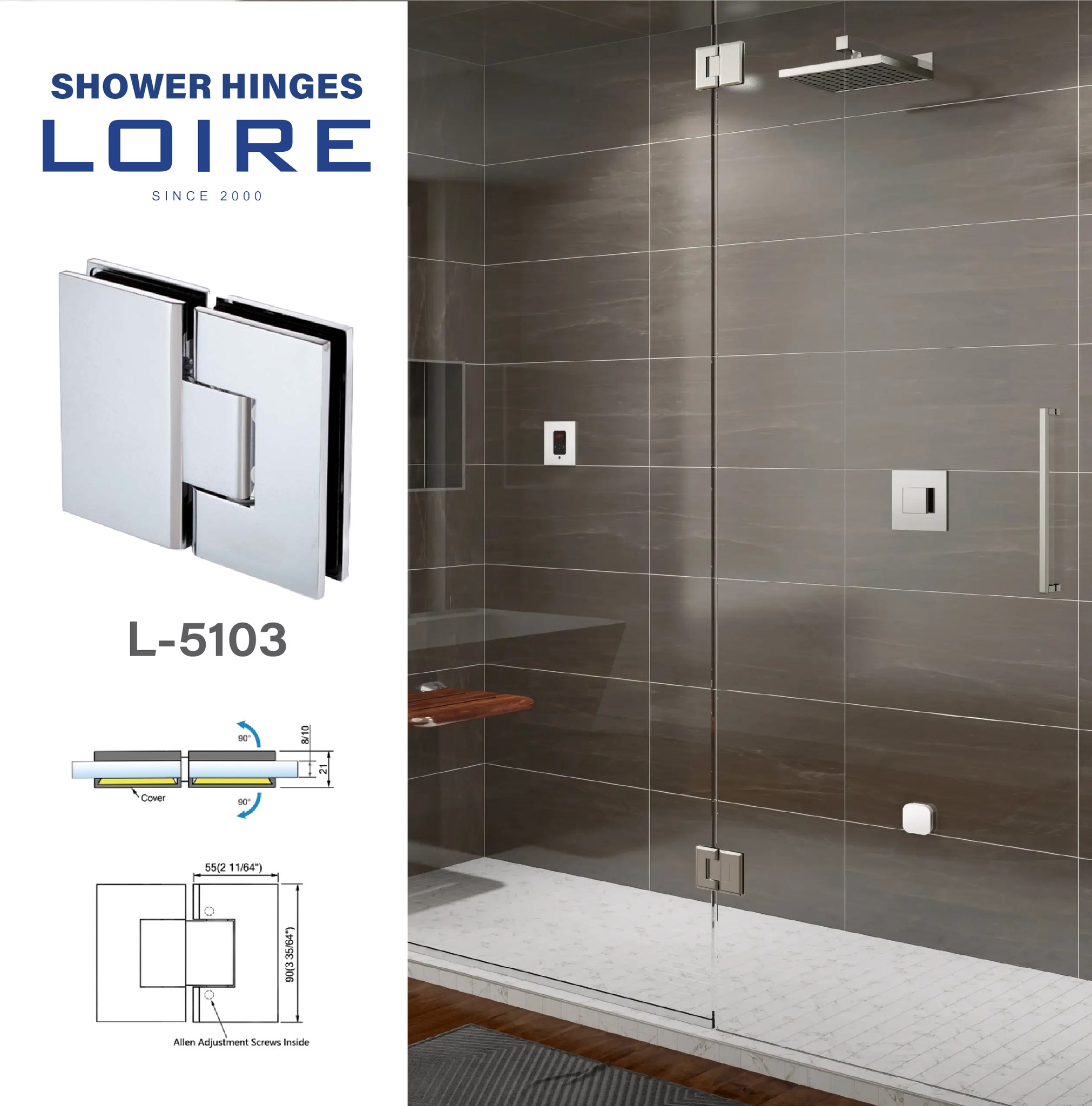
shower door hinges and hardware
Step 2 — Choose Your Shower Enclosure Style
Once measurements are confirmed, the next step is selecting the enclosure style that best suits your layout and design goals.
- Frameless shower enclosures offer a sleek, modern look with minimal metal, allowing the glass to take center stage.
- Semi-frameless designs provide a balance between aesthetics and structural support.
- Framed enclosures are more traditional and often budget-friendly, offering maximum rigidity.
You’ll also need to choose between sliding, hinged, or fixed glass panels. Hinged doors provide a premium feel but require space, while sliding systems maximize efficiency in tighter bathrooms.
Hardware connection:
Frameless designs rely heavily on precision-engineered shower door hinges and hardware to support heavy glass panels. Sliding enclosures depend on high-quality rollers and tracks for quiet, smooth operation. Choosing the enclosure style should always go hand-in-hand with selecting the right hardware system.
Step 3 — Select Glass Type & Safety Features
When evaluating how to choose a shower enclosure, safety and daily functionality should always come first—especially when working with glass panels and moving components. One of the most essential shower glass enclosure tips is to start with certified tempered safety glass. Tempered glass is engineered to break into small, blunt pieces rather than sharp shards, significantly reducing injury risk and making it the industry standard for modern shower enclosures.
Glass thickness also plays a critical role in both safety and performance. Choosing the right thickness—typically 8mm to 12mm, depending on door size and enclosure style—enhances structural stability while delivering a more solid, premium feel during everyday use.
Equally important is smooth, controlled door movement. Whether your enclosure uses a hinged or sliding system, high-quality shower door hinges and hardware help prevent sudden door swings, slamming, or derailment. Precision hinges, rollers, and tracks ensure consistent motion and reduce long-term stress on both the glass and mounting surfaces.
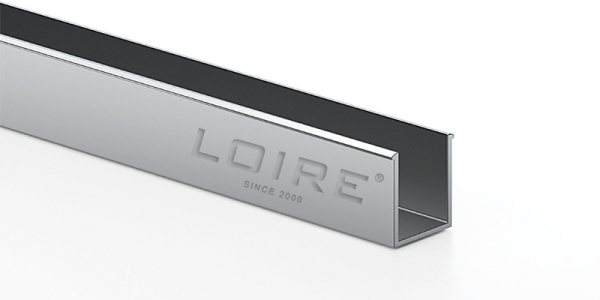
Functional enhancements can further improve usability and safety, such as soft-closing or self-closing mechanisms, anti-jump sliding systems, and stable pivot points designed to minimize wear over time. Water-containment performance should also be considered—proper sealing strips, U-channels, and correctly positioned hardware help prevent leaks and keep bathroom floors dry.
Why it matters:
A shower enclosure designed with safety and functionality in mind not only protects users but also extends the lifespan of the entire system. Reliable glass selection combined with precision-engineered shower door hinges and hardware ensures smoother operation, reduced maintenance, and long-term peace of mind—key factors in creating a durable and comfortable shower space.
Step 4 — Evaluate Hardware Quality and Finish
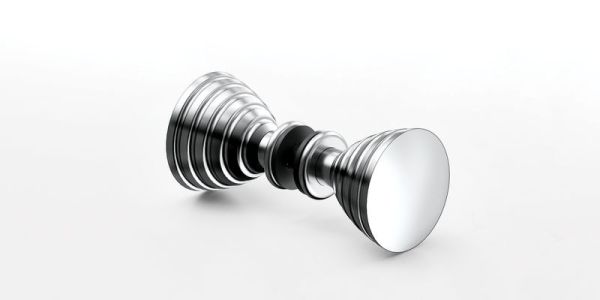
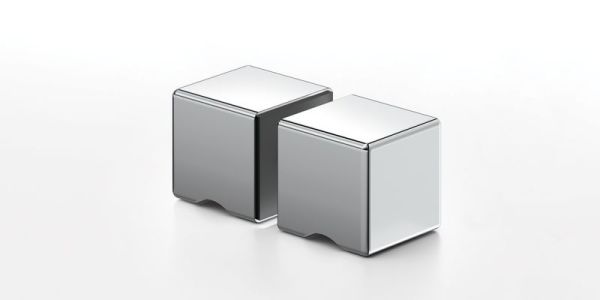
When learning how to choose a shower enclosure, many people focus on glass style or size—but the real work happens at the hardware level. The right shower door hinges and hardware not only supports the glass panels but also affects durability, safety, and long-term performance. Poor-quality components can lead to squeaky doors, sagging panels, and premature corrosion in a humid bathroom environment. A key piece of practical shower glass enclosure tips is to choose hardware that is engineered for both strength and smooth operation.
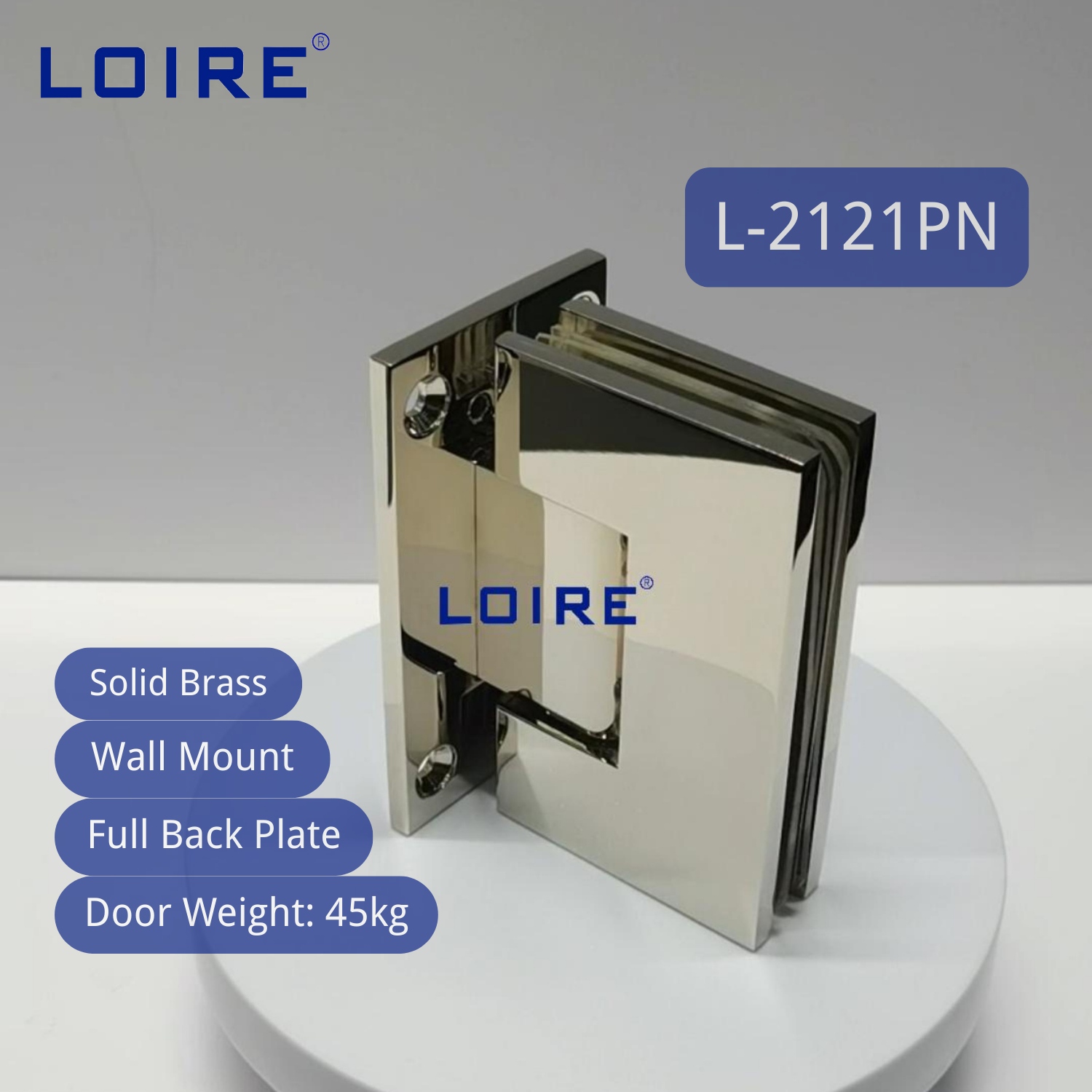
Start with corrosion-resistant materials. Stainless steel and solid forged brass finishes are ideal for bathroom installations because they resist moisture and maintain their appearance over years of use. Loire’s collection of stainless steel sliding door shower hardware includes overhead roller systems and minimalist fittings that support frameless designs while remaining easy to clean and visually unobtrusive. Their precision-engineered rollers and tracks deliver a sleek look and smooth door performance in both residential and commercial showers.
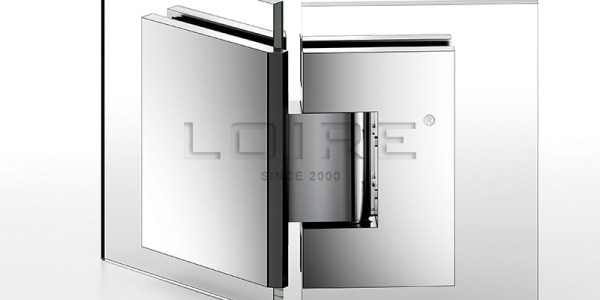
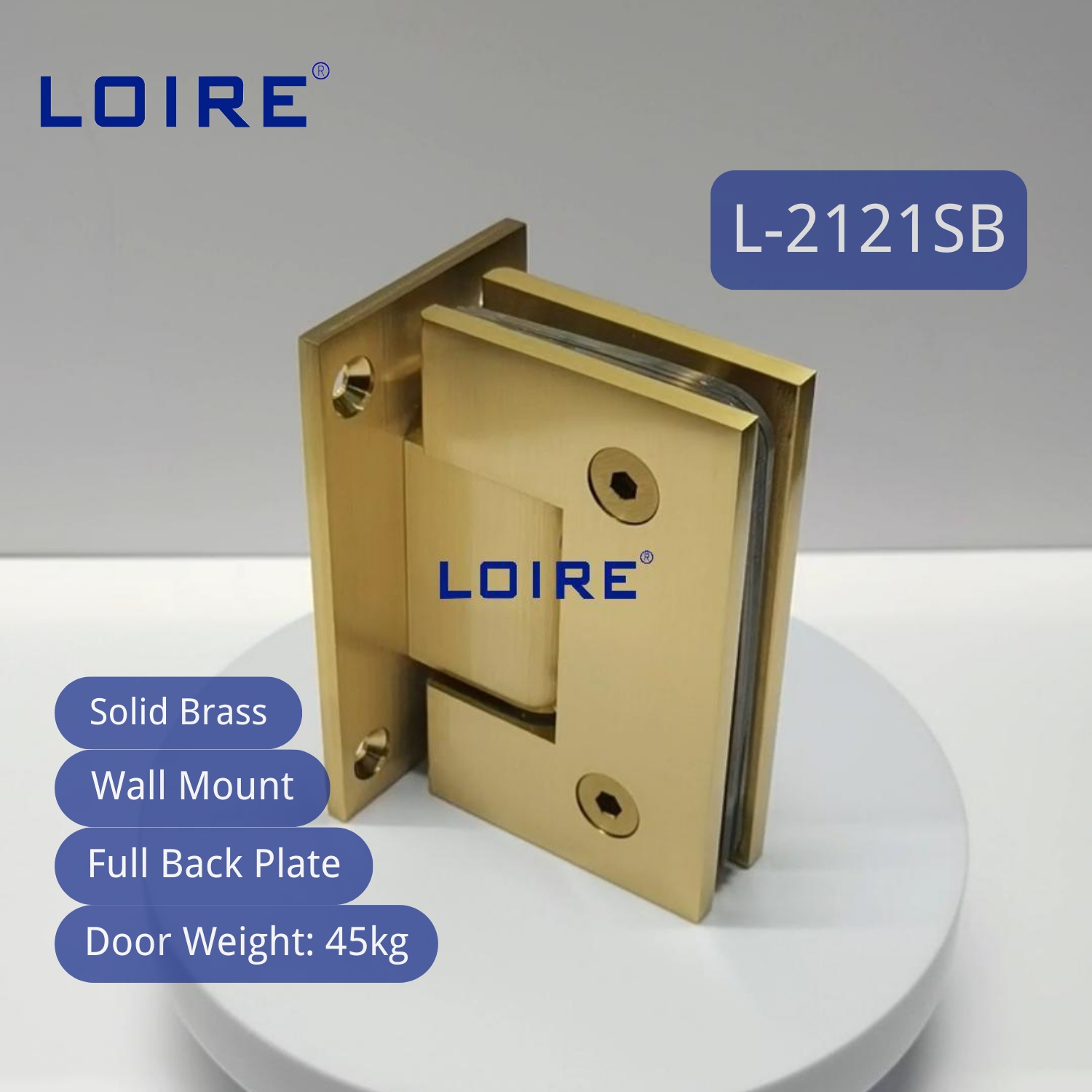
For hinged enclosures, consider the range of LOIRE shower hinges available—from standard duty to heavy-duty and pivot options—each designed to support specific glass thicknesses and weights. Whether you’re installing a compact bathroom door or a large frameless panel, products like self-centering glass-to-glass hinges ensure doors close consistently without undue stress on mounts, reducing wear over time.
Finish choices also play a major role in coordination with bathroom fixtures. Popular finishes such as polished chrome, matte black, brushed stainless, and customized options provide visual cohesion throughout the space while enhancing durability. Thoughtful hardware selection not only supports structural performance but also elevates the overall design of your shower enclosure.
how to choose a shower enclosure
Step 5 — Consider Installation, Maintenance, and Long-Term Use
Installation method and long-term care are often overlooked when deciding how to choose a shower enclosure. Frameless systems typically benefit from professional installation to ensure proper alignment and weight distribution.
Maintenance is another key factor:
- Frameless enclosures and treated glass surfaces are easier to clean
- Regular wiping reduces soap scum and mineral buildup
- Periodic checks on hinges, rollers, seals, and fasteners help prevent leaks and mechanical issues
Why it matters:
A well-installed enclosure with durable hardware requires less maintenance, experiences fewer problems, and delivers a better shower experience for years to come.
By following these expert shower glass enclosure tips and investing in reliable shower door hinges and hardware, you ensure long-term performance and peace of mind.
For premium shower enclosure hardware and expert guidance on hinges, rollers, and fittings, explore LOIRE’s product range or contact us for custom recommendations tailored to your project.