The Importance of Safety Standards in Shower Door Installations
Shower doors are an essential part of modern bathroom design, combining functionality with aesthetics. However, beyond appearance, safety is the most critical factor in shower door installations. Adhering to recognized safety standards helps prevent accidents, ensures long-term performance, and protects both installers and end users.
Safety standards in shower door installations primarily focus on glass quality, hardware performance, and correct installation methods. Tempered safety glass is a fundamental requirement, as it is designed to break into small, less harmful pieces if damaged, significantly reducing the risk of serious injury.
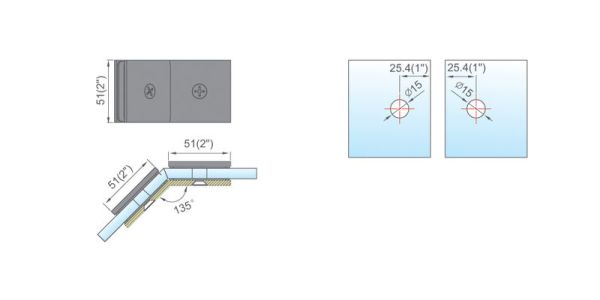
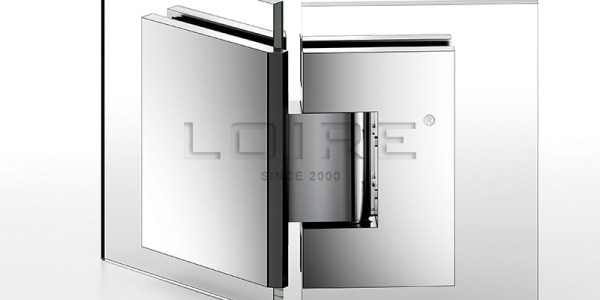
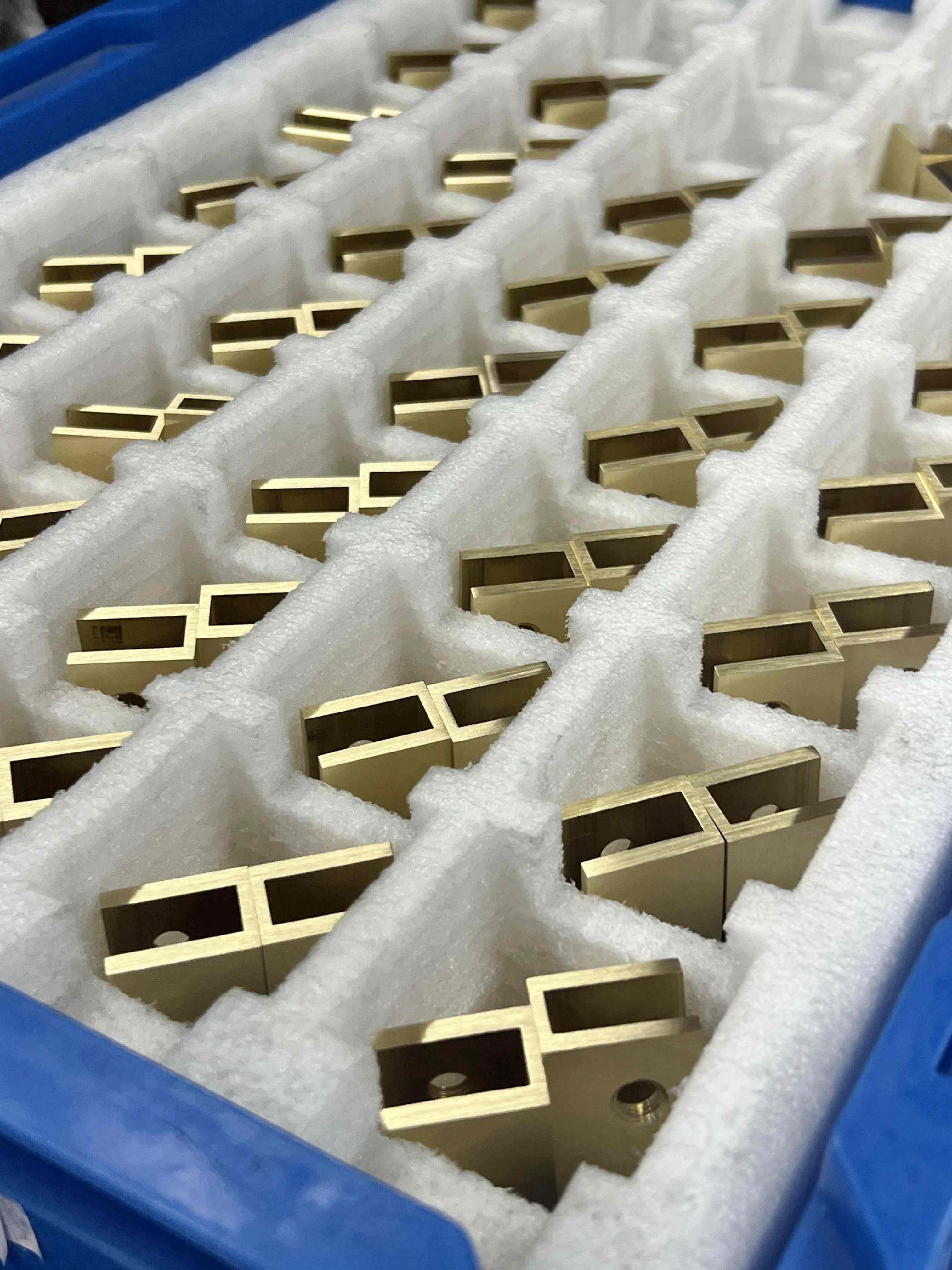
Equally important is the quality of shower door hardware. Components such as shower hinges, clamps, rollers, and connectors must be manufactured to precise tolerances and tested for load-bearing capacity, corrosion resistance, and durability. Certified hardware ensures stable door movement, reduces sagging over time, and minimizes the risk of sudden failure.
Proper installation is another key aspect of safety compliance. Even high-quality glass and hardware can become hazardous if installed incorrectly. Installers should follow standardized installation guidelines, including correct glass thickness selection, accurate alignment, secure fastening, and controlled torque during assembly.
Compliance with international and regional safety standards, such as ANSI, EN, or ISO-related guidelines, also enhances trust between suppliers, installers, and end users. For commercial projects like hotels, apartments, and public facilities, meeting these standards is often a mandatory requirement.
In conclusion, safety standards in shower door installations are not optional—they are essential. From tempered glass and precision hardware to professional installation practices, every detail contributes to a safer and more reliable shower enclosure. Investing in compliant products and processes ultimately reduces risk, lowers maintenance costs, and delivers long-term value.