Common Glass Installation Mistakes and How to Avoid Them
1. Skipping Proper Measurement (The #1 Culprit)
Rushing measurements is a recipe for disaster. A glass panel that’s even 1/8-inch too big won’t fit; one that’s too small leaves gaps for leaks or instability. Many DIYers measure only once, but professionals double-check dimensions after prepping the area (e.g., after installing walls or tiles, which can shift the space).
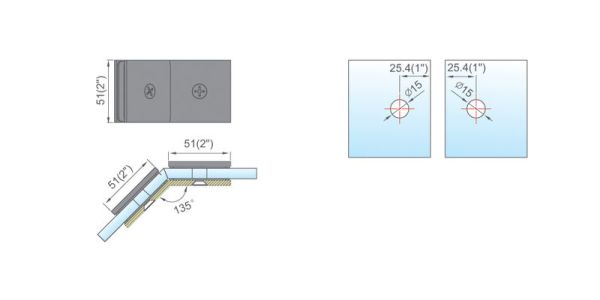
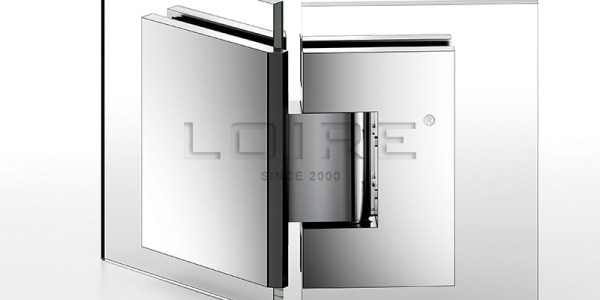
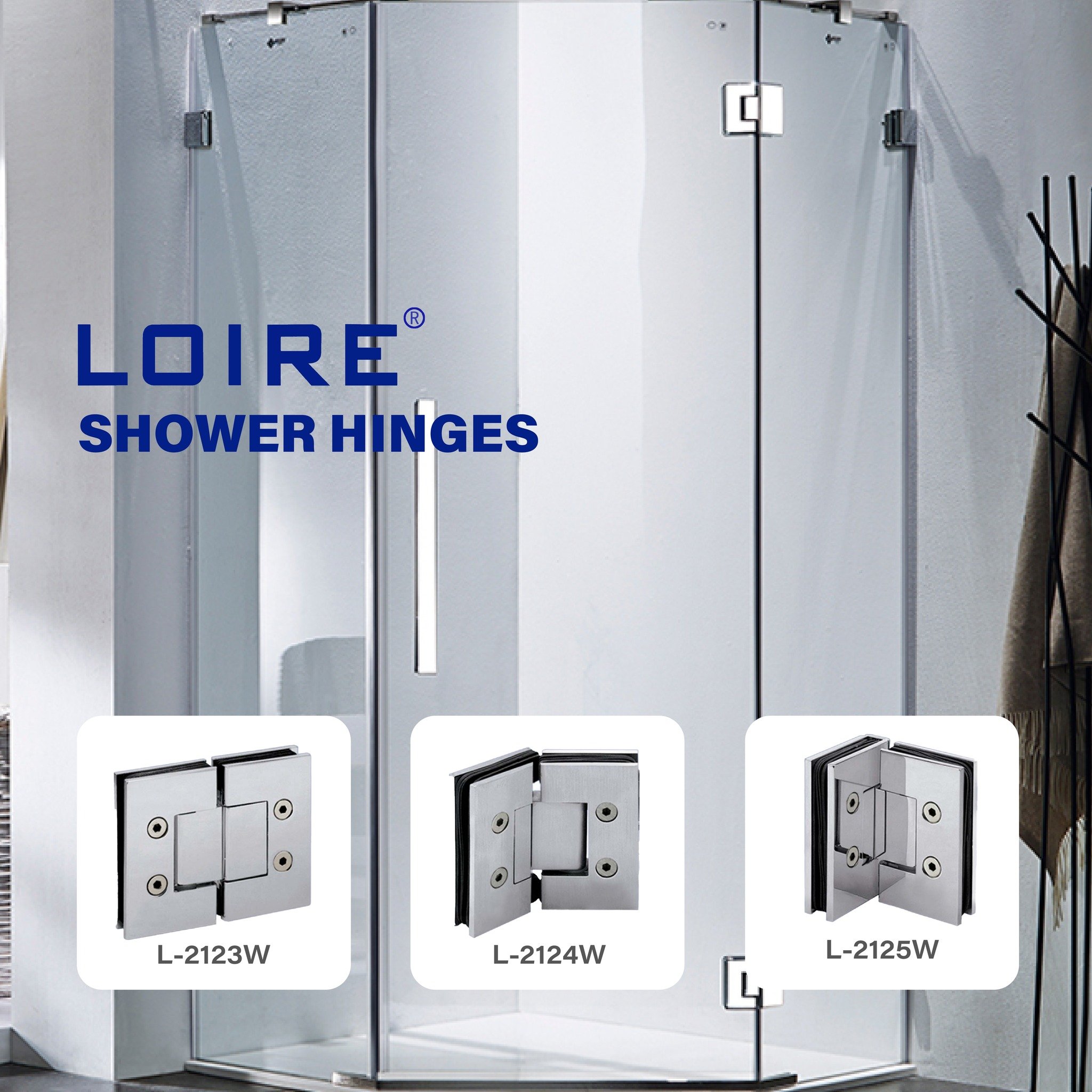
Fix: Use a high-precision tape measure, note both width and height at multiple points (walls aren’t always straight!), and confirm measurements with a second person. For shower enclosures, pair accurate measurements with LOIRE’s adjustable hinges—their flexible design accommodates minor size variations.
2. Ignoring Weight Capacity of Hardware
Glass (especially thick shower glass) is heavy, and using low-quality or mismatched hardware (handles, hinges, base shoes) is a safety hazard. Cheap hinges can bend over time; flimsy base shoes may fail to support the glass, leading to cracks or falls.
Fix: Invest in heavy-duty hardware like LOIRE shower hardware—their hinges and base shoes are engineered to support thick tempered glass (up to ½-inch) and withstand daily use. Always check the hardware’s weight rating before installation.
3. Poor Sealant Application (Leaky Showers Ahead)
A messy or incomplete sealant job leads to water seepage, which damages walls, floors, and mold growth. Many installers apply sealant too thin, skip corners, or use the wrong type (e.g., non-waterproof caulk).
Fix: Use 100% silicone sealant (waterproof and mold-resistant). Apply a continuous, even bead along all glass-to-wall/glass-to-tub joints, then smooth it with a caulk tool. For shower enclosures, pair this with LOIRE’s drip-free base shoes—they add an extra layer of protection against leaks.
4. Neglecting Leveling (Wobbly Panels = Risk)
Uneven glass panels don’t just look unprofessional—they put pressure on one side, increasing the risk of cracks or collapse. This often happens when installers don’t use a level during hardware mounting.
Fix: Use a 4-foot level to ensure both the glass panel and hardware (hinges, brackets) are perfectly straight before securing them. LOIRE’s adjustable hardware makes fine-tuning alignment easy, even if your walls have minor imperfections.
5. Overlooking Edge Protection
Tempered glass is strong, but its edges are vulnerable to chips or breaks—especially during installation. Handling glass without protective gear or resting it on rough surfaces can damage edges, which weakens the entire panel.
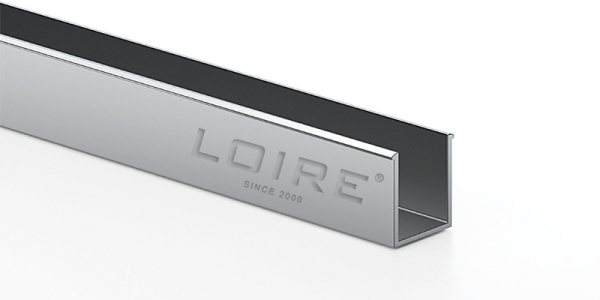
Fix: Use suction cups to handle glass, and lay it on a soft, flat surface (like a foam mat) during prep. For shower enclosures, LOIRE’s base shoes wrap around the glass edge, adding both protection and a polished finish.
Wrap-Up: Let Hardware Simplify the Process
Many glass installation mistakes stem from cutting corners on planning or hardware quality. By measuring twice, using durable gear like LOIRE shower hardware, and prioritizing precision, you can avoid these pitfalls and enjoy a sleek, long-lasting glass feature.