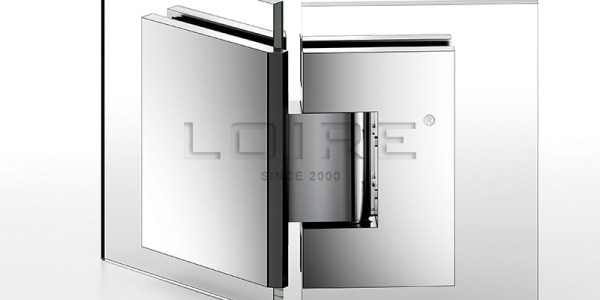
Upgrading Walk-In Showers: Key Glass Door Hardware for OEMs and Commercial Projects
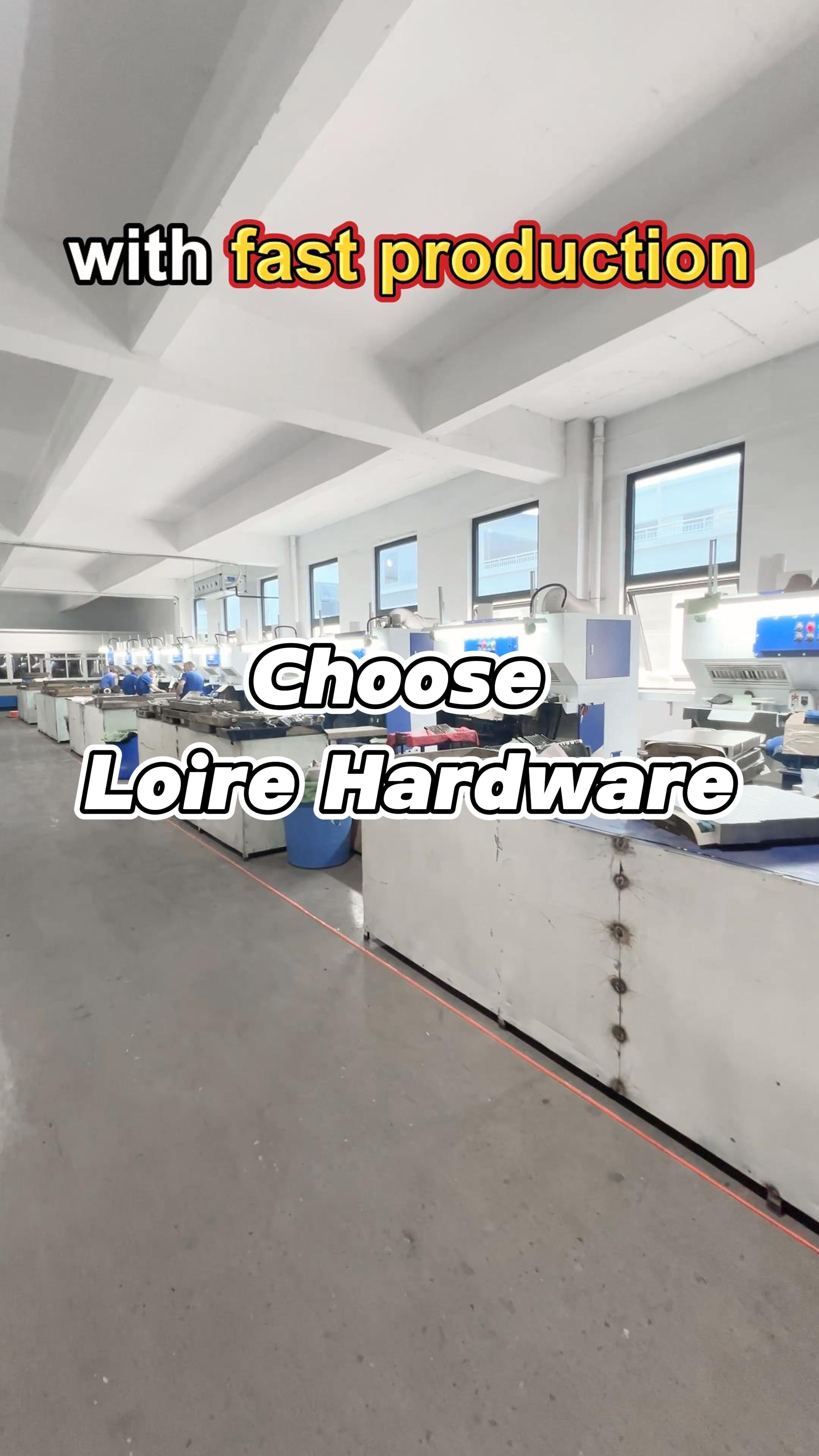
The demand for walk-in showers continues to grow across hospitality, residential developments, and commercial renovations. As project owners shift toward cleaner lines, safer materials, and longer-lasting components, the role of glass door hardware becomes far more than a finishing choice. For OEMs, contractors, and brand distributors, sourcing durable, precision-made hardware directly affects installation efficiency, long-term maintenance, and overall customer experience.
Below is a practical breakdown of essential hardware categories, performance considerations, and sourcing insights that help you build reliable walk-in shower systems—especially for large-scale or repeat manufacturing needs.
1. Hinges Built for Heavier Glass and Extended Use
Walk-in shower enclosures often use thicker tempered glass (8–12 mm), which places considerable load on the hinge system. High-quality shower door hinges should offer:
• Consistent closing force to maintain door alignment
• Corrosion-resistant brass or stainless-steel construction for long-term exposure to moisture
• Smooth pivoting motion using precision bearings
• Strong weight ratings that support oversized or custom glass panels
For commercial installations—hotels, apartments, fitness centers—self-centering hinges are especially popular because they stabilize the door at multiple closing points and reduce maintenance visits.
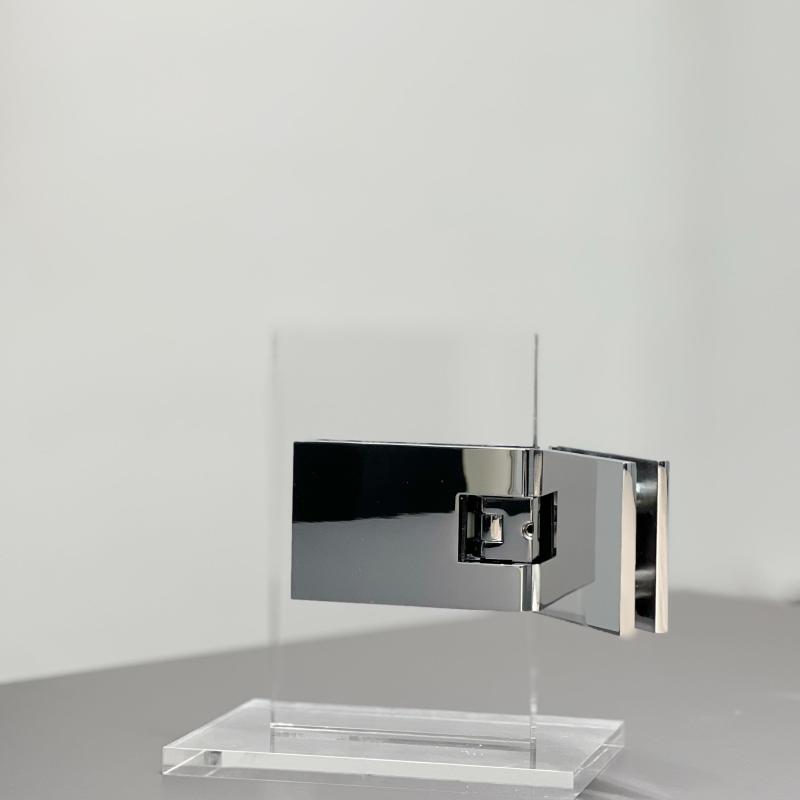
Glass Door Hinges Manufacturers
2. Support Bars and Bracing for Frameless Stability
Minimalist frameless walk-in showers look elegant, but they rely heavily on stabilizing hardware to keep large glass panels secure. The two components that often determine structural reliability are:
• Glass-to-wall support bars
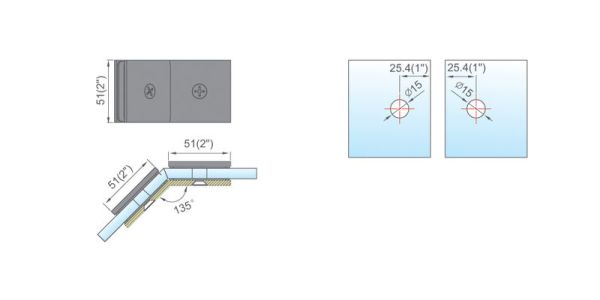
• 90° and 135° reinforced brackets for return panels
A solid support bar prevents flexing and vibration when doors open and close. In projects that prioritize clean sightlines, square-edge bars and matte black finishes are trending, while brushed stainless steel remains a standard for high-humidity environments such as resorts and spas.
3. Handles and Pulls That Match Brand Identity
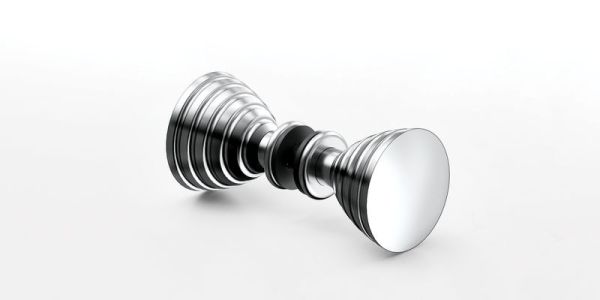
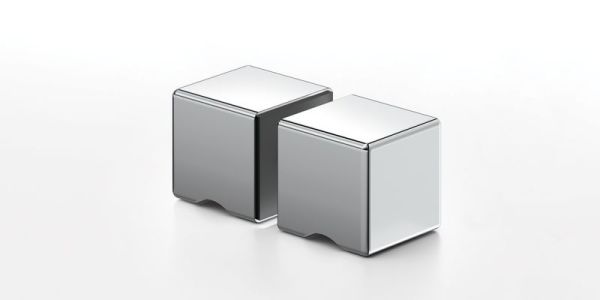
Glass door handles may seem like a small detail, but for OEMs and project designers, they serve both aesthetic and ergonomic functions. The most commonly requested features include:
• Tubular or ladder-style pulls for contemporary walk-in showers
• Comfortable gripping surfaces for high-traffic use
• Multiple size options to align with door height
• Finish consistency with hinges and brackets
Because mixed finishes can distract from the overall design, many manufacturers now coordinate their handle collections with full hardware sets—making it easier for procurement teams to maintain uniformity across multiple units.
4. Sliding Systems for Space-Efficient Walk-In Enclosures
While pivot doors remain common, sliding glass systems are becoming a preferred solution in compact hotel bathrooms and urban apartments. A well-engineered sliding kit includes:
• Quiet rollers with stainless-steel bearings
• Reinforced top rails to prevent bowing
• Anti-jump mechanisms for guest safety
• Soft-closing options for premium room categories
Smooth, noise-free movement is crucial in commercial settings, where hardware is tested repeatedly by different users every day.
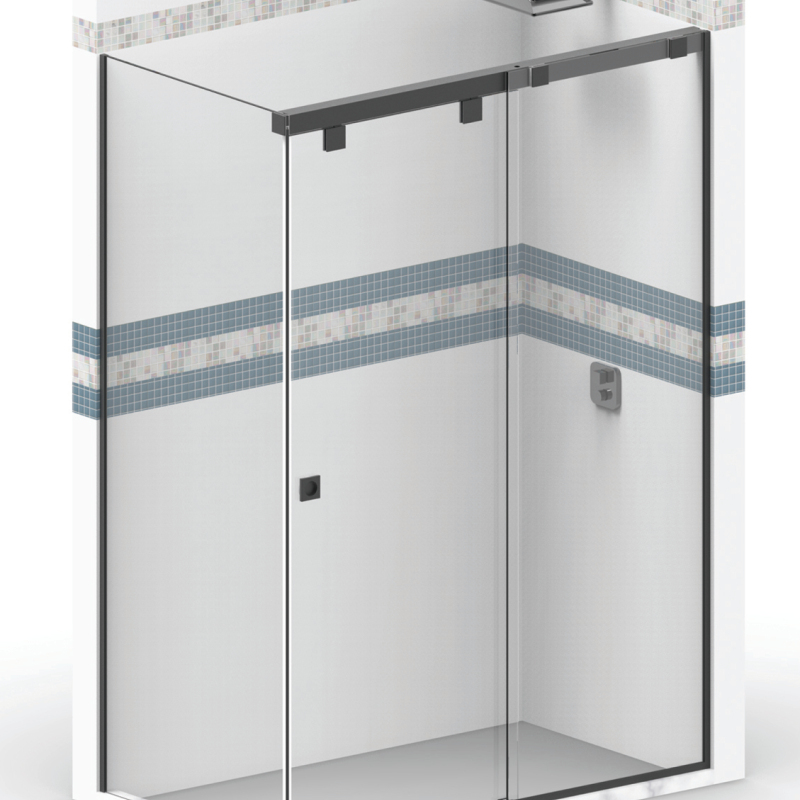
Sliding Door Shower Hardware Supplier
5. Seals, Channels, and Waterproofing Accessories
Glass door hardware isn’t complete without reliable sealing components. These often determine how effectively a walk-in shower keeps water inside the enclosure. Key accessories include:
• Bottom sweeps and threshold seals
• Magnetic door seals for tight closure
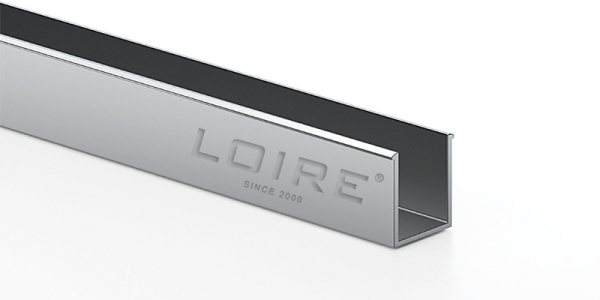
• U-channels for fixed panels
• Silicone bumpers to reduce impact between glass surfaces
In large-volume projects, choosing seals made from UV-stable materials helps avoid yellowing or shrinkage over time.
6. Material and Finish Choices That Stand Up to Commercial Wear
For buyers supplying hotels, real-estate developments, gym chains, or public facilities, hardware lifespan is a major consideration. The finishes most commonly requested today include:
• Brushed stainless steel for durability
• Chrome for easy integration with existing fixtures
• Matte black for modern boutique interiors
• PVD coatings for scratch and corrosion resistance
PVD finishes, in particular, have gained popularity as they maintain color depth and resist fading far better than basic electroplating.
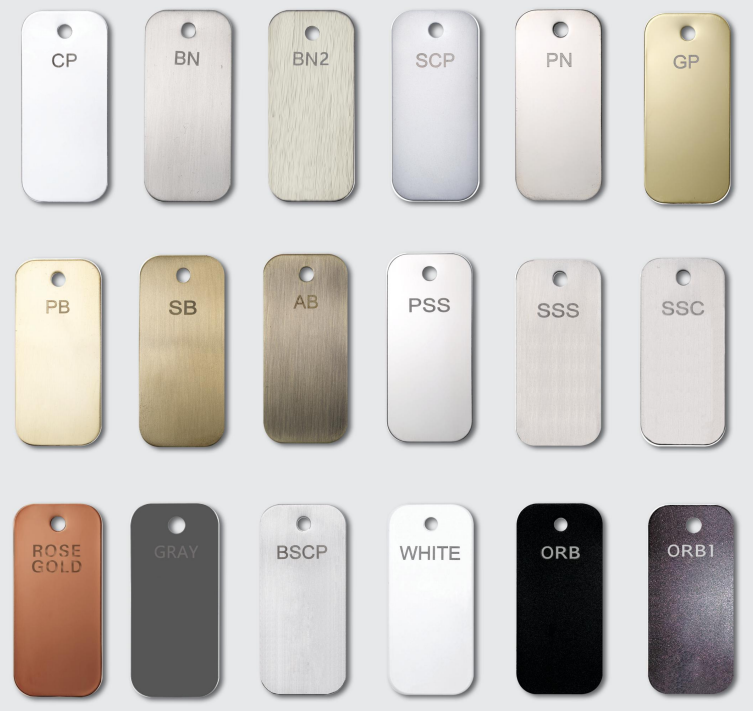
glass door hardware fmaterials & inishes
7. Benefits of Sourcing From a Dedicated Glass Hardware Manufacturer
Working directly with a specialized shower door hardware manufacturer—rather than a general trading supplier—gives OEMs and project contractors several advantages:
• Tighter quality controls in machining, polishing, and load testing
• Customizable hardware solutions for unique enclosure designs
• Stable production capacity for repetitive orders
• Direct engineering support when developing new product lines
• Better cost control thanks to factory-level pricing
For commercial projects where each delay affects timelines, having consistent lead times and access to replacement parts is essential.
8. OEM Customization: Branding, Dimensions, and Product Development
More shower brands now request private-label hardware or dimension-specific components to match their enclosure systems. A capable manufacturer can provide:
• Custom logo engraving
• Tailored hinge geometry for oversized walk-in doors
• Matching hardware sets across different product series
• Modified rollers or support bars for proprietary sliding systems
• Project-specific material upgrades (304 → 316 stainless steel, for example)
These customizations give distributors and project developers a competitive edge in offering unique, long-lasting solutions.
Final Thoughts
Upgrading walk-in showers requires hardware that balances safety, visual appeal, and long-term durability. From heavy-duty hinges to modern sliding kits and precision-finished pulls, each piece contributes to the stability and performance of the entire enclosure.
For OEMs, contractors, and commercial project buyers looking to standardize quality—and reduce installation issues—partnering with a professional glass door hardware manufacturer ensures consistent materials, reliable engineering, and scalable supply.