How to Distinguish High-Quality Shower Hardware Fittings
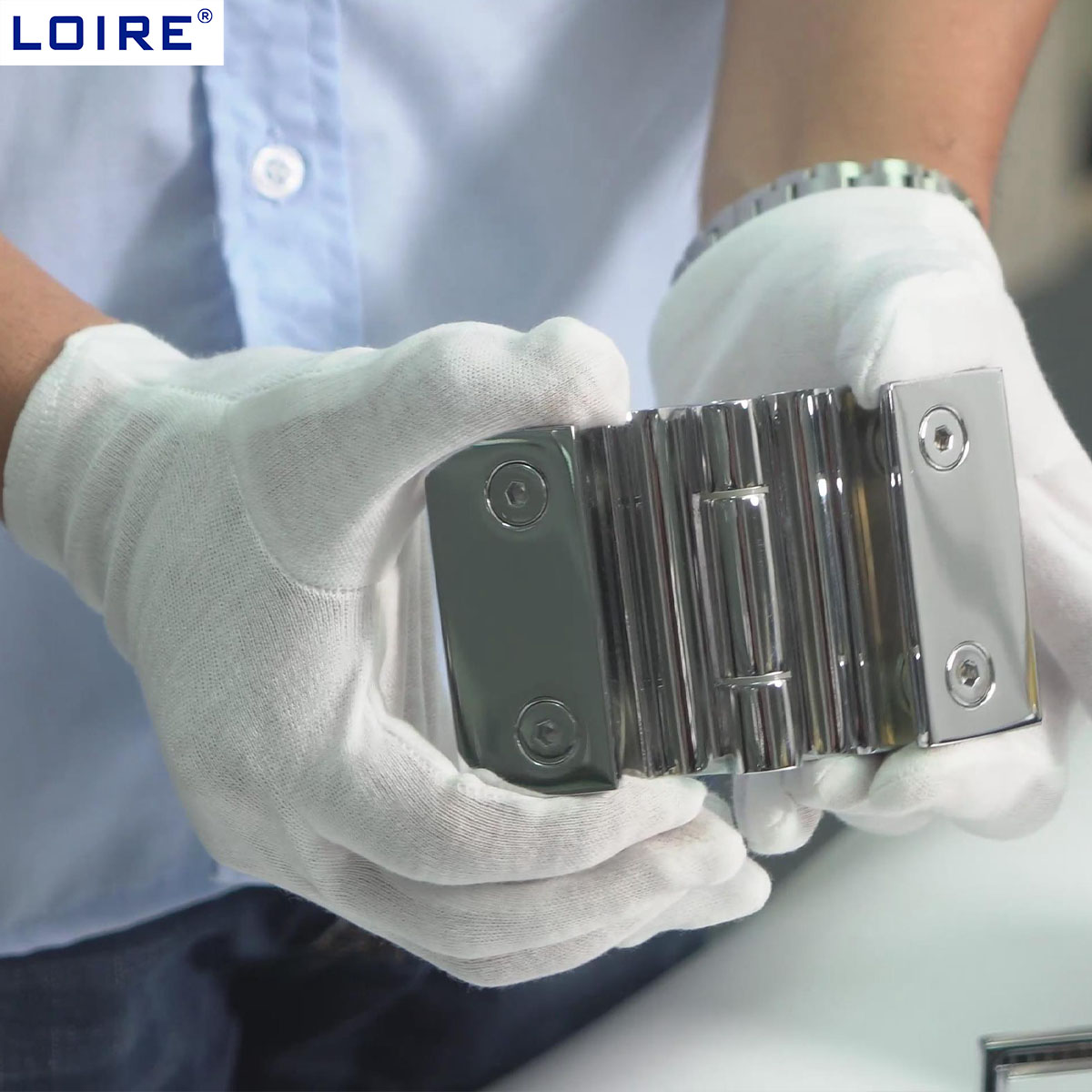
In the world of bathroom hardware, quality matters more than you might think. At Loire, with over 20 years of manufacturing excellence, we've identified key differentiators that separate high quality shower hardware from mediocre alternatives. This internal guide outlines the crucial factors to assess when evaluating hardware quality.
Why Choosing High-Quality Hardware Matters
In modern bathroom design, shower hardware fittings are more than just functional components, they play a crucial role in defining the overall experience of the space. Premium shower hardware not only enhances the visual appeal of the bathroom but also ensures long-term performance that homeowners and project contractors can rely on.
High-quality shower hinges, brackets, and sliding door systems are engineered with better materials and precise craftsmanship, which greatly improves durability. They can withstand daily moisture, frequent use, and heavy glass panels without deforming or corroding. This means fewer replacements, fewer maintenance issues, and a longer service life.
Beyond durability, quality hardware directly impacts safety. Reliable components prevent glass misalignment, sagging doors, or unexpected failures that can lead to serious accidents. For modern bathrooms that often feature large frameless or semi-frameless glass designs, choosing robust hardware is essential for stable support and secure operation.
Aesthetically, premium shower hardware elevates the entire shower enclosure. With refined finishes, sleek profiles, and a solid feel, high-end fittings contribute to a clean, modern, and luxurious atmosphere. In short, good hardware is not just a detail—it’s the foundation of a bathroom that looks beautiful, functions flawlessly, and stands the test of time.
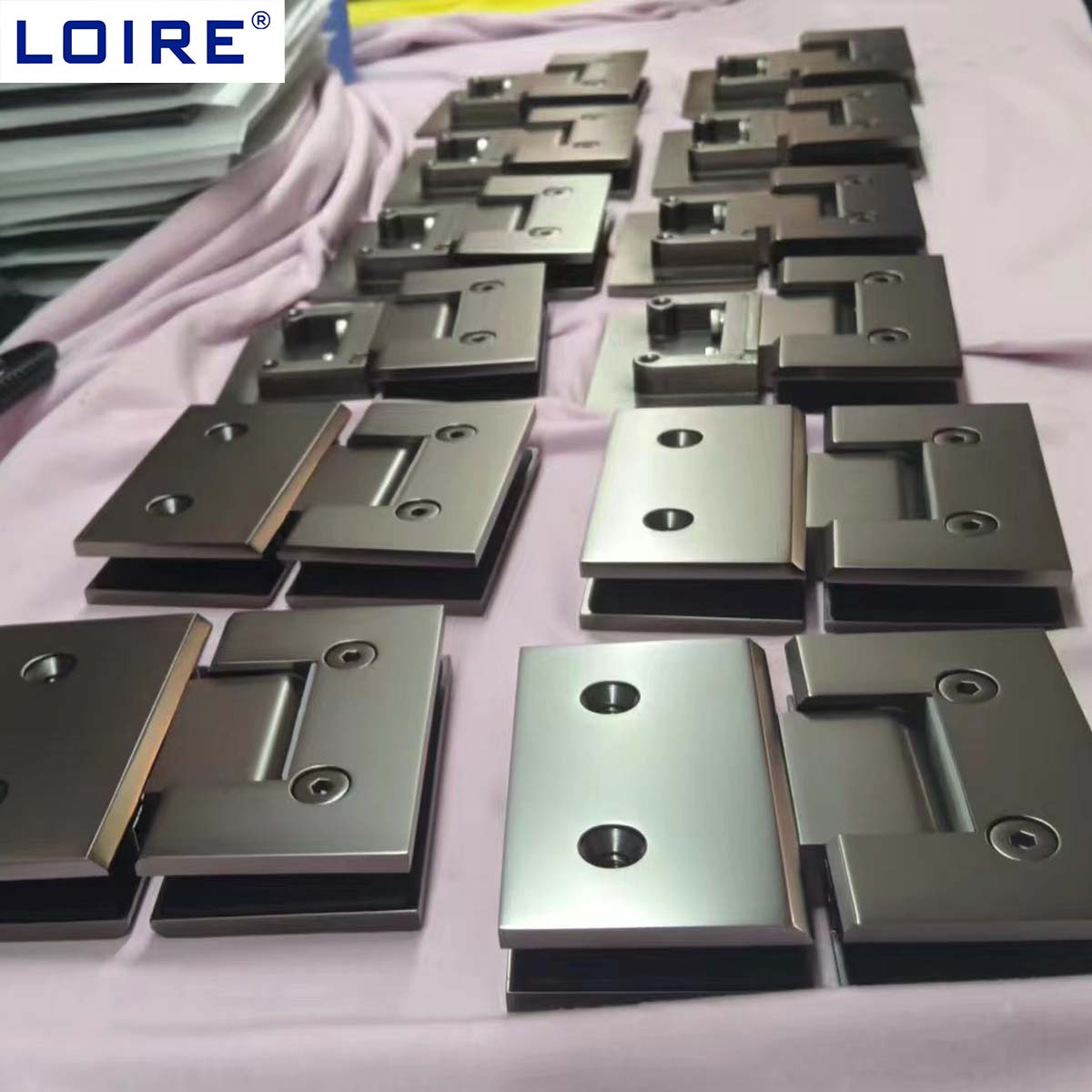
Key Factors to Assess
1. Material Analysis
- Stainless Steel vs. “Stainless-Look” Materials
Authentic 304 or 316 stainless steel is the gold standard for shower hardware fitting. It should be non-magnetic, corrosion-resistant, and have a solid weight density—heavier components typically indicate better material quality. Look for a consistent grain structure and uniform finishing to confirm authenticity.
- Zinc Alloy Assessment
High-pressure die-cast zinc hardware should feel substantial in hand. Check for precise edge definition with no burrs or roughness. Premium zinc alloy fittings also feature thicker plating—aim for a minimum of 0.8μm copper layer—to ensure durability and long-term resistance to moisture.
2. Manufacturing Precision
- Surface Finish Quality
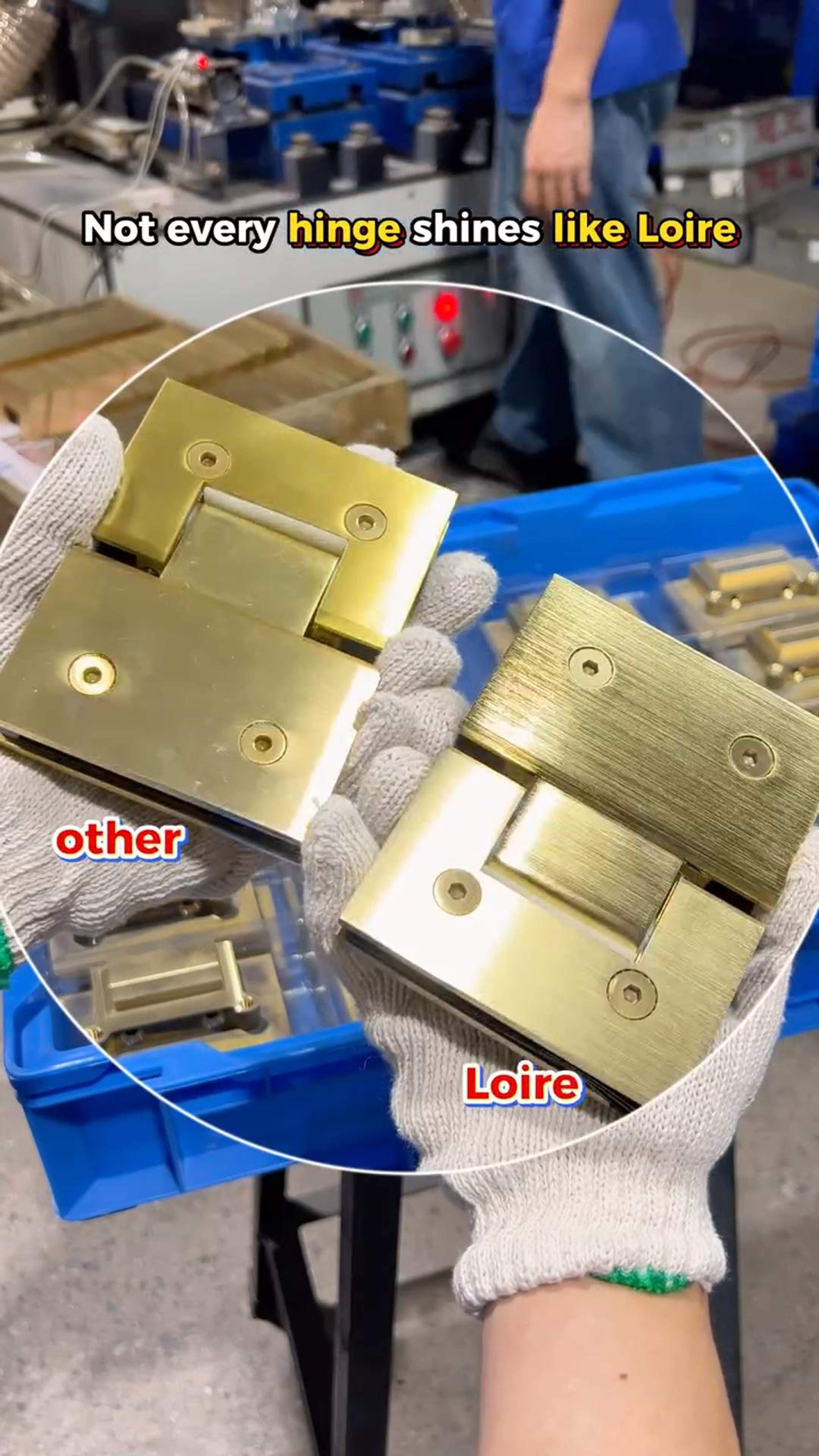
Run your fingers across the hardware surface: premium components will feel perfectly smooth with consistent brushing or polishing lines. Even the hidden areas of the fitting should maintain the same finish quality, reflecting superior workmanship.
- Tolerance & Machining Accuracy
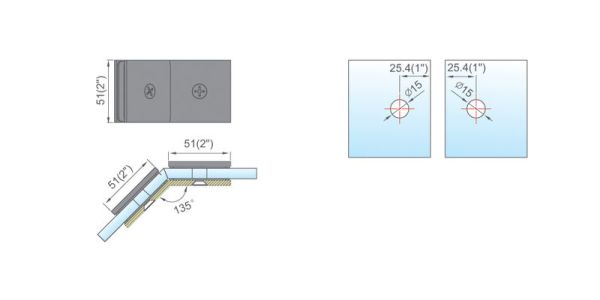
High-quality hardware maintains strict tolerance standards. Dimensional consistency across multiple samples is essential, and interface clearances should fall within 0.1–0.3 mm. Threads must be precise and engage cleanly without gaps or misalignment.
3. Performance Testing
- Corrosion Resistance
Superior bathroom fittings undergo strict corrosion tests. Look for salt spray test results of 48+ hours for premium hardware. Ensure galvanic compatibility if different metals are used, and check coating adhesion through cross-cut testing to avoid future peeling or rust.
- Mechanical Strength
Hinges: Should withstand 100,000+ opening cycles.
Handles: Must pass static load testing of 50 kg or more.
Sliding systems: Need smooth, continuous operation without noise or vibration.
These tests ensure the hardware performs reliably in real-world moisture and high-usage environments.
4. Design Intelligence
High-quality shower hardware incorporates smart engineering, such as reinforced stress points, integrated water-drainage channels, and thoughtful installation features that simplify adjustment and maintenance.
5. Certification & Compliance
Always request material certificates and verify compliance with internationally recognized standards such as EN, ANSI, and ASME. Manufacturers that follow a certified quality management system—like ISO 9001—demonstrate stronger consistency and reliability in production.
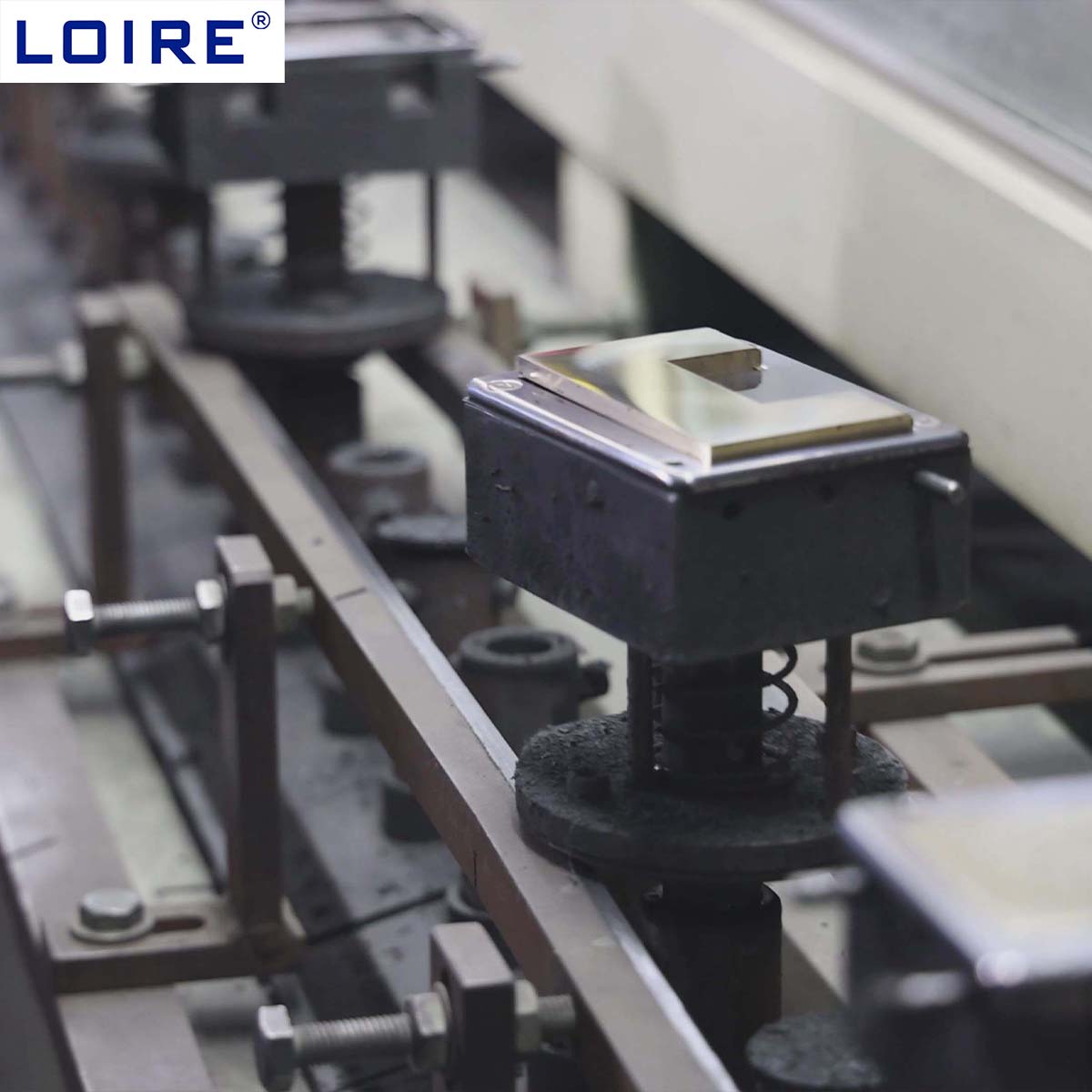
Common Problems You Can Spot in Low-Quality Hardware
Identifying poor-quality shower hardware is essential to avoid long-term safety risks and unnecessary maintenance costs. Low-grade fittings often reveal their weaknesses quickly, and the following issues are the most common red flags to watch for:
1. Loose Screws
Inferior hardware often uses cheap, soft screws that loosen easily over time. This leads to unstable hinges or brackets, causing the entire glass structure to wobble. In severe cases, loose screws can compromise safety.
2. Imbalanced Door Movement
If a shower door doesn’t glide smoothly or consistently, the hardware may lack proper machining accuracy. Poor alignment and weak internal structures can cause the door to tilt, drag, or feel heavy when opening.
3. Noisy Rotation
A high-quality hinge or pivot should rotate quietly. Grinding, squeaking, or rattling noises usually indicate low-quality bearings or improper lubrication. This not only affects user experience but also reduces the lifespan of the hardware.
4. Uneven Finishing
Low-quality hardware often has rough edges, inconsistent polishing, or uneven coating. These imperfections not only look unprofessional but can lead to faster corrosion, color fading, or peeling.
5. Weak Load-Bearing Components
Cheap hardware commonly uses thin materials or substandard alloys that cannot properly support the weight of thick glass panels. Over time, this can cause sagging, instability, or even breakage.