Shower Glass Door Sticking? Solve It to Glide Smoothly Like New!

A shower glass door that sticks, drags, or feels difficult to slide is more than a minor inconvenience. Over time, poor door movement can affect daily comfort, compromise safety, and accelerate wear on both the glass and the hardware. What starts as slight resistance can eventually lead to noisy operation, roller damage, misalignment, or even glass stress.
In many cases, sticking issues are not caused by the glass itself, but by the tracks, rollers, alignment, and overall hardware quality. High-quality components—such as precision rollers and corrosion-resistant fittings like those from LOIRE—are designed to minimize friction and perform reliably in humid bathroom environments. This guide is intended as a practical, step-by-step resource for homeowners and installers to identify causes, fix sticking issues, and prevent them from returning.
Common Causes of Shower Glass Door Sticking
Before fixing the problem, it’s important to understand what’s causing the shower door to stick. In most cases, one or more of the following factors are involved.
Track buildup is the most common issue. Dirt, hair, soap scum, and mineral deposits collect inside the bottom track and grooves, increasing friction and preventing the door from gliding smoothly.
Roller wear or damage can also affect movement. Rollers may become clogged with debris, worn down from long-term use, or misaligned, all of which disrupt smooth sliding.
Misalignment develops gradually over time. Slight shifts in tracks, loose screws, or uneven walls can cause the door to drag instead of rolling freely.
Water and moisture effects make everything worse. Standing water in tracks allows residue to harden and can accelerate corrosion in lower-quality hardware, compounding sticking problems.
Understanding these causes helps you diagnose the issue correctly instead of forcing the door and risking damage.
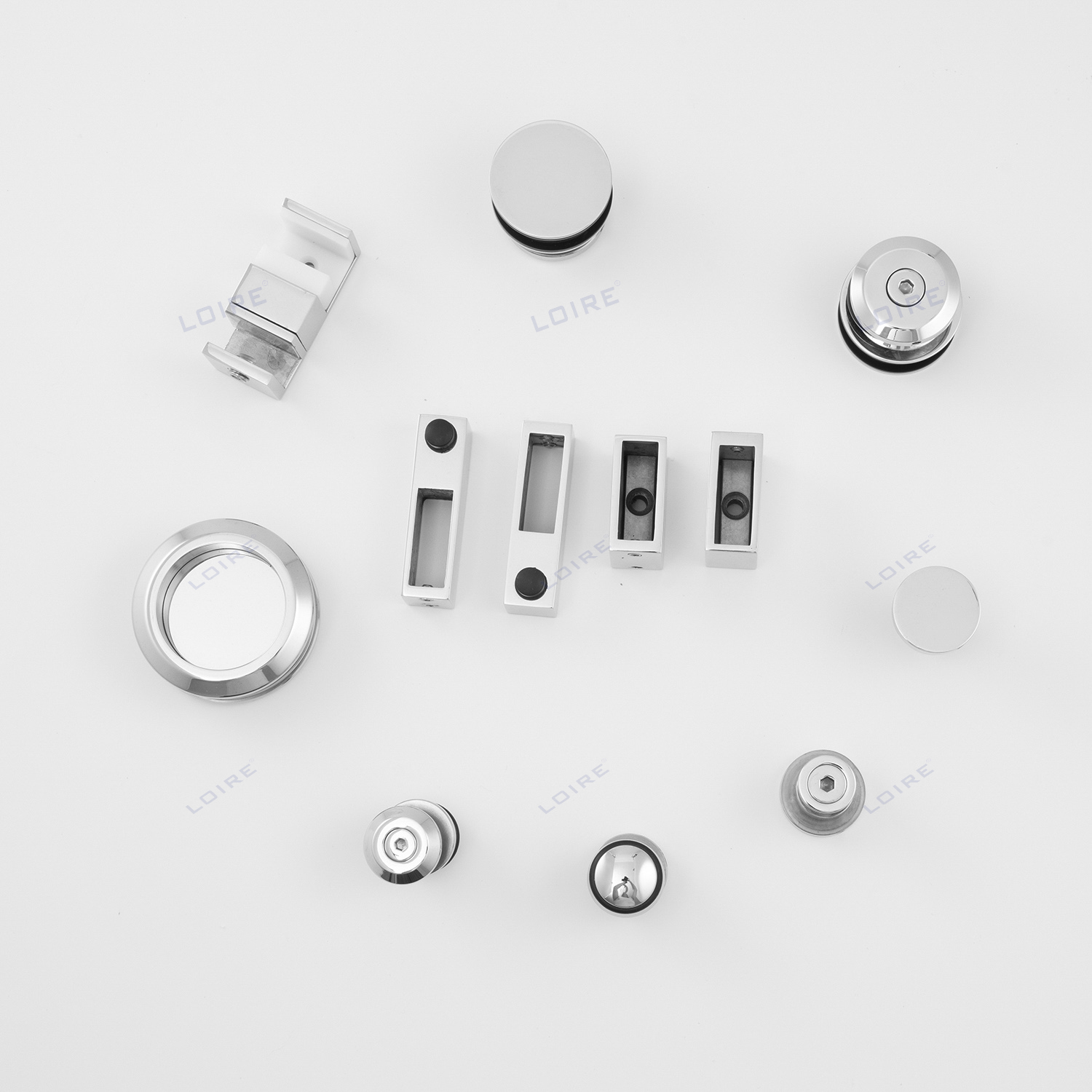
shower door rollers and tracks
Targeted Solutions for Shower Door Track Maintenance
Cleaning and Removing Build-Up for Smooth Sliding
In many cases, shower glass door sticking can be solved with thorough cleaning alone. Start by removing visible debris from the tracks using a soft brush or cloth. Avoid metal tools that may scratch the track surface.
Next, apply a mild, non-abrasive cleaner or a diluted vinegar solution to dissolve soap scum and mineral buildup. Let it sit briefly, then wipe clean. Rinse with fresh water and dry the track completely to prevent residue from reforming.
For high-use bathrooms, a weekly track cleaning routine is recommended. Regular shower door track maintenance prevents buildup before it becomes severe and keeps the door gliding smoothly with minimal effort.
Lubrication and Roller Maintenance for Effortless Glide
Once the tracks are clean, proper lubrication can dramatically improve door movement. Use a silicone-based lubricant designed for shower hardware. Silicone reduces friction without attracting dirt or residue.
Avoid oil-based products such as WD-40. While they may feel effective initially, they attract dust and grime, leading to faster buildup and recurring sticking issues.
Lubricate shower door rollers and track rails every few months or during routine maintenance. While doing so, inspect the rollers for cracks, flat spots, or uneven wear. If rollers are visibly damaged or no longer spin freely, replacement may be necessary to restore smooth motion.
Adjustments You Can Make (and When to Seek Help)
Some sticking problems are caused by alignment issues rather than dirt or wear. Homeowners can try gently realigning the door within the track if it appears uneven or tilted.
Check mounting screws on rollers, guides, and brackets. Tightening loose fasteners often improves alignment and reduces friction. Make small adjustments and test the door after each change.
However, if tracks are bent, rollers have worn bearings, or the door remains difficult to move despite cleaning and lubrication, professional servicing is recommended. Never force a glass door—excess pressure can damage tempered glass and create safety risks.
Preventative Care Habits for Long-Term Performance
Preventing sticking is easier than fixing it. Simple daily habits go a long way toward maintaining smooth operation. Wipe down the glass and tracks after each shower to remove water and residue before it dries.
Good bathroom ventilation reduces humidity, slowing mineral buildup and corrosion. Periodically inspect hardware components and tighten screws to maintain proper alignment.
Using high-quality, corrosion-resistant stainless steel hardware, such as LOIRE’s precision-manufactured rollers and fittings, further reduces long-term sticking issues by resisting moisture-related wear and buildup.
Upgrade Options That Improve Smooth Sliding
If sticking issues persist or the hardware is outdated, upgrading can be a smart long-term investment. Heavy-duty rollers, precision tracks, and engineered guides significantly improve sliding performance and durability.
Advanced hardware designs reduce debris accumulation, improve load distribution, and deliver a smoother, quieter glide—especially important for larger or heavier glass panels. LOIRE offers shower door hardware solutions specifically engineered for effortless movement and long-term reliability, even in demanding bathroom environments.
Restore Smooth Movement—and Keep It That Way
Shower glass doors stick for clear reasons: buildup, worn rollers, misalignment, moisture, or low-quality hardware. The good news is that most issues can be resolved through proper cleaning, lubrication, adjustment, and preventative care.
Regular maintenance and quality hardware work hand-in-hand to ensure sliding shower doors glide smoothly, quietly, and safely over time.
Explore LOIRE’s premium shower door hardware solutions to keep your glass doors gliding smoothly — beautiful, durable, and engineered for performance.

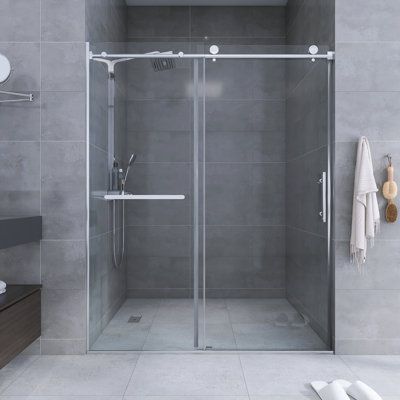
premium sliding door design